Table Of Content
"In situations that require referral to shoreside hospitals, the shipboard treating doctors evaluate suitable options by medevac," a company spokesperson said. MSC Cruises' onboard medical centers can handle a spectrum of medical situations, including the initial management of fractures and suturing of lacerations, a spokesperson explained. Most cruise lines, including those mentioned above, can perform various tests, as needed, as part of the medical services offered.
Always Come Prepared to Treat Seasickness
Overall, I would rate over-the-counter medication as the best method for seasickness. The only thing I didn’t like about this method was the fact that I had to consistently chew the gum to get the best effects. Whenever I wanted to eat or drink, I had to take it out of my mouth and feel just a little more seasick. If I took a break from chewing, I still felt my seasickness stay low, maybe at a 4/10. I decided to buy a packet of ginger gum for my cruise, and try it on Night 3. By the time I started chewing the gum, our ship had left Perfect Day at CocoCay and was sailing, full-steam ahead, back to Port Canaveral.
Reliefband Classic Motion Sickness Wristband
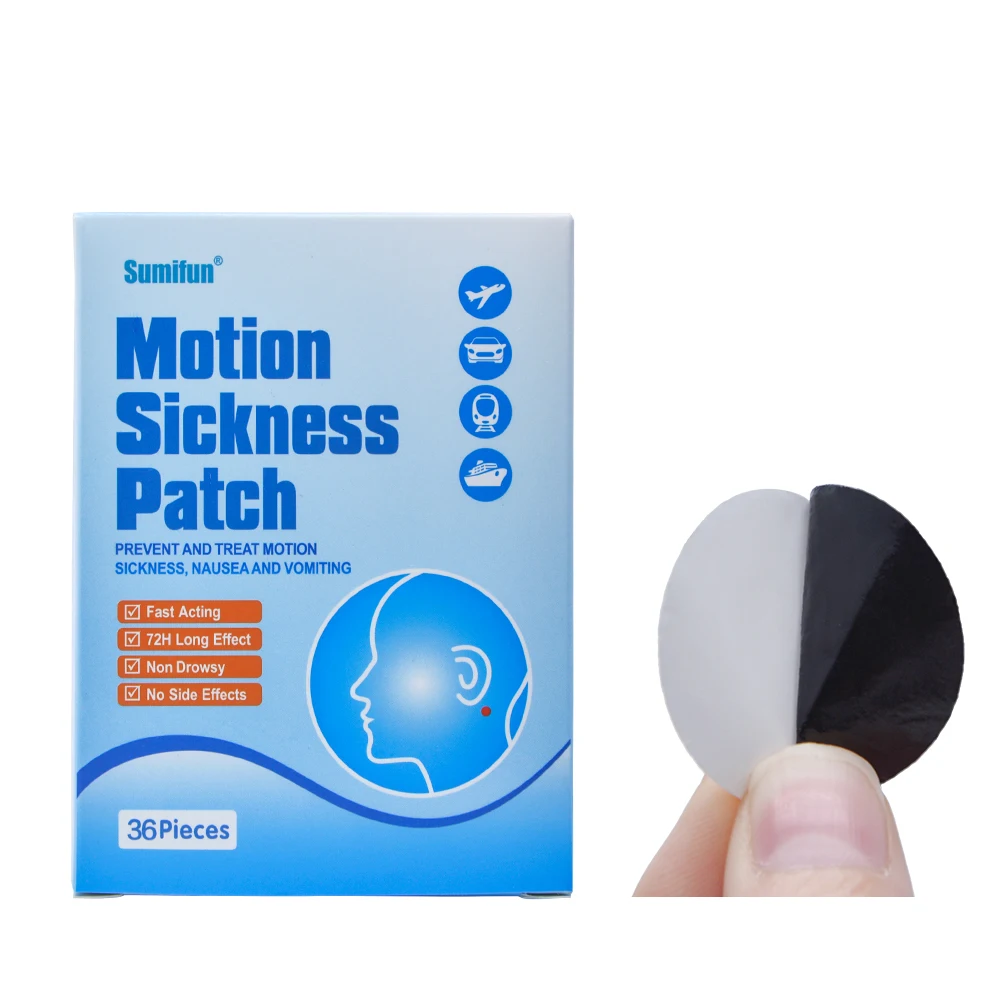
If you’re prone to motion sickness, talk to your healthcare provider about ways to prevent getting sick and what to do if you get sick. A lot of big cruise ships have things called stabilizers, little “wings” that extend off the bottom of the ship under the water, to keep them upright. It’s strong and not for everyone, so ask your doctor whether it’s right for you. The patches are also expensive and may not be covered by your health insurance. Don’t forget to pack some seasickness medication or prevention treatments to bring along on your cruise vacation. Motion sickness happens due to repeated or continuous movement that affects our inner ear and sense of balance.
Onboard Experiences
When you struggle with seasickness, you want a remedy that you’ll be able to have on you at all times. Ginger root is one of the oldest and most famous remedies for seasickness. I tried applying extra pressure to the plastic studs myself, and after about an hour the feeling improved. Experts also recommend that you stay on lower decks to avoid feeling the movement of the ship. Seasickness is a form of motion sickness that occurs when there is a discrepancy between the motion of the ship, visual input, and the vestibular system in your inner ear. Available only by prescription, Transderm Scop is preventive and not a treatment that can also cause possible side effects such as dry mouth, blurry vision, drowsiness and dizziness.
Seasickness cure: Could VR be the future? - Yachting World
Seasickness cure: Could VR be the future?.
Posted: Thu, 17 Jun 2021 07:00:00 GMT [source]
Smaller ships are also less likely to have stabilizers, so your chances of getting motion sickness on a smaller vessel are higher than on a larger one. Depending on where your cruise is and what kind of boat you’re on, it’s important to remember every cruise will feel different. Everyone is having a wonderful time on the water while you’re in the corner turning green, trying to keep your last meal down. If you already use acupuncture, you may want to ask your practitioner if he or she thinks it will help to prevent seasickness on your cruise. My mother-in-law, who also suffers from vertigo periodically, uses acupuncture before she goes on a cruise. I’ve been on cruises with her, and have seen how it definitely worked for her.
What causes seasickness — and what to do about it - The Washington Post
What causes seasickness — and what to do about it.
Posted: Fri, 02 Nov 2018 07:00:00 GMT [source]
Look for green Granny Smith apples; their pectin combined with natural sugars reduces acid and settles topsy-turvy stomachs. Opting for plain water with electrolytes added – like coconut water – will keep your hydration balanced without causing unwanted side effects. So, be sure to carry a refillable water bottle and take frequent sips—especially if you’re spending too much time in the sun or participating in activities that make you sweat. While there is limited scientific evidence of their effectiveness, many people find them helpful as a non-invasive alternative to medication. Keep in mind that individuals respond differently to various remedies. It's up to you to conduct some research and experimentation to find what works best.
How to Prevent Seasickness on a Cruise: 10 Effective Remedies

You can also try alternatives to medicine like acupressure bands for your wrists or settle your stomach with foods such as green apples, ginger ale or ginger candies, and crackers. If you prefer to avoid medications, there are alternative solutions and discussions regarding seasickness remedies. Many passengers find relief by wearing a Sea-Band wristband upon embarkation. This user-friendly, acupressure-inspired device features a plastic bead that applies pressure to the Nei-Kuan pressure point on the inner wrist.
Bonine vs. Dramamine: Bottom Line
Acupressure wristbands, ginger pills, and candied ginger are among the nonmedication ways to deal with seasickness, and some people swear by them. It sounds completely counterintuitive, but you’ll also feel better if you aren’t hungry, according to the U.S. Centers for Disease Control and Prevention (CDC), which recommends eating small amounts of food frequently to help prevent motion sickness. The CDC also recommends staying hydrated, while limiting both alcoholic and caffeinated beverages.

Acupuncture pressure band
This will give you a chance to experience a cruise, but you won’t be stuck on board for multiple days if things go bad. If you are worried about motion sickness, these rooms will be the best for you. Again, looking at these items that your eyes think aren’t moving can bring on a new round of motion sickness.
It doesn’t seem to affect children under two years of age, so don’t worry about your toddler getting sick if you’re traveling with them. Your body has a balance-sensing system, which includes your inner ears, your eyes, and your sensory nerves. You start to feel motion sickness when one of these balance-sensing systems don’t match up with all the rest. My rule of thumb is to take a half a pill when I first get onboard and until I feel my body has adjusted to the movement of the sea (which may or may not occur after a couple of days on the water).
Your regular health insurance policy may or may not cover you when you're traveling outside the country — or will only cover some but not all of your expenses. Some insurance plans, like Medicare, won't cover you outside the U.S. except for a few specific emergency circumstances. A travel insurance policy with good medical coverage can make up the difference or reimburse you for medical bills your regular insurance won't.
If you're nervous about feeling ill during any of these sailings, that is the perfect time to talk to your doctor about a prescription for patches. For many people who do feel ill on a cruise, motion sickness is a limited-time event. It might hit you during the first 24 hours of sailing, quickly calming down as your nervous system adapts to the motion. Symptoms might only affect you when the exact set of circumstances appears that disturbs your equilibrium enough to cause nausea.




No comments:
Post a Comment